
Russian foot-and-mouth disease outbreaks trigger rare public protests in Siberia
Foot-and-mouth disease outbreaks in Russia's Novosibirsk region prompted massive animal cullings that sparked rare public protests this week, forcing neighboring Kazakhstan to ban Russian animal feed wheat imports.
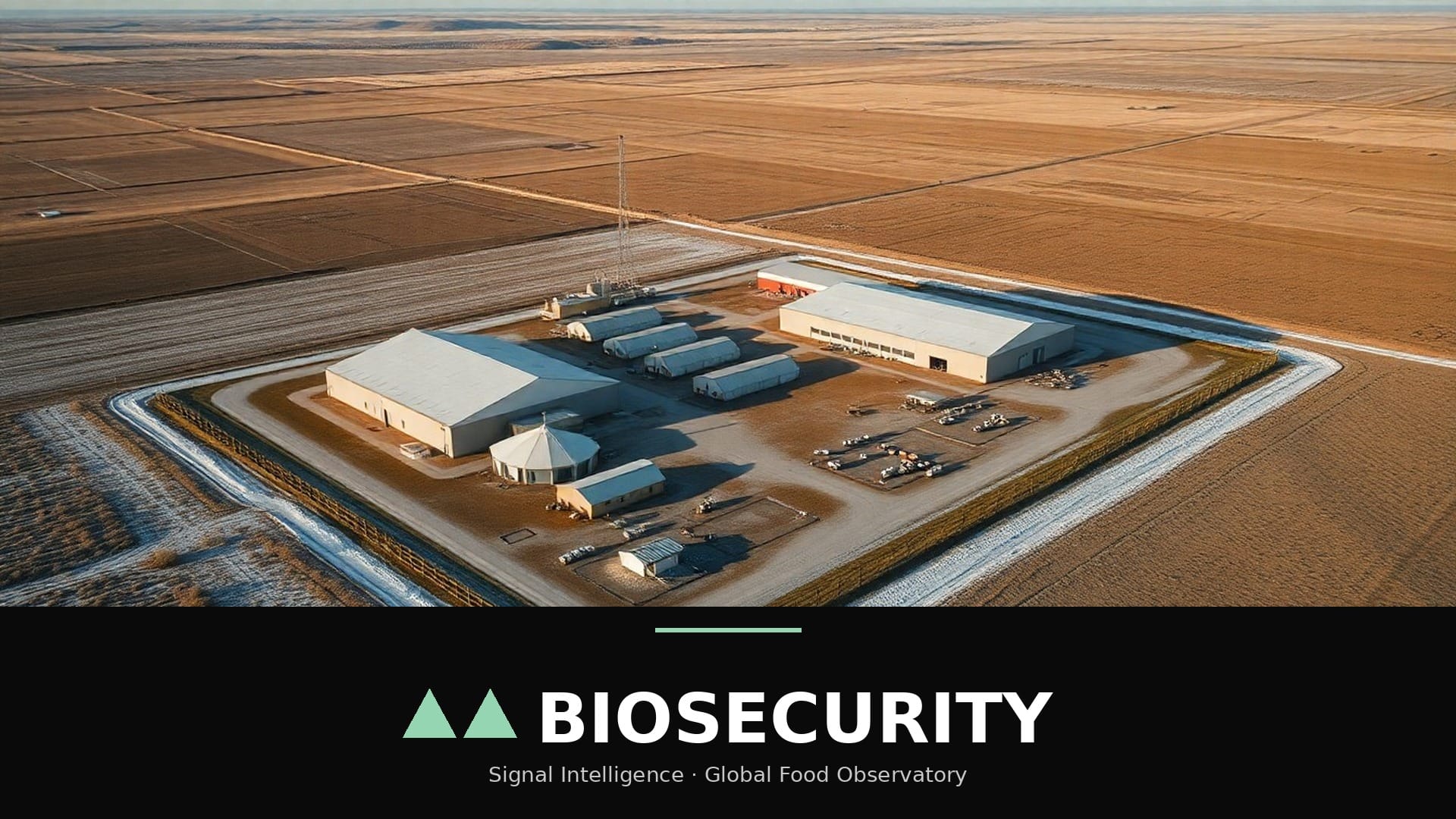
Foot-and-mouth disease outbreaks in Russia's Novosibirsk region prompted massive animal cullings that sparked rare public protests this week, forcing neighboring Kazakhstan to ban Russian animal feed wheat imports.
Signal Strength
▲▲ — This represents an emerging trend with regional trade implications. The combination of disease outbreak, public protests, and immediate trade restrictions by Kazakhstan signals escalating crisis beyond routine animal health management. The agricultural trade disruption demonstrates cross-border spillover effects.
Signal
Foot-and-mouth disease outbreaks in Russia's Novosibirsk region have escalated into a rare public protest crisis that threatens regional agricultural trade stability. The culling of thousands of animals to contain the disease prompted protests in Siberia this week, with farmers calling for resignation of top government officials overseeing agriculture — an unusual display of public dissent in Russia.
Kazakhstan responded immediately with trade restrictions, banning imports of animal feed wheat from Russia following the outbreaks. The decision signals recognition that feed grain can serve as a disease transmission vector, despite Russia's agriculture watchdog agency denying allegations about disease spread risks as late as March 25.
The outbreak represents broader pattern of animal health pressure across the region. USDA reports indicate the Russian outbreaks occurred alongside foot-and-mouth disease cases in 48 countries during 2025-26, creating elevated regional disease pressure that complicates standard containment protocols.
The protests demonstrate unusual agricultural policy vulnerability in Russia. Public agricultural dissent is rare in the Russian system, making the Siberian protests significant beyond immediate animal health concerns. The convergence of disease outbreak, trade restrictions, and domestic political pressure creates compound crisis that extends beyond technical veterinary management.
Evidence
- Siberian farmers protest animal cullings for foot-and-mouth disease, demand officials' resignation (ADM Investor Services reporting, April 23, 2026)
- Kazakhstan bans Russian animal feed wheat imports following outbreaks (Global Ag News, April 23, 2026)
- Russian agriculture agency denied disease spread allegations as late as March 25 (Reuters reporting cited April 23, 2026)
- Foot-and-mouth disease reported in 48 countries during 2025-26 (USDA outbreak data, April 23, 2026)
Implication
The Russian foot-and-mouth crisis demonstrates how animal disease outbreaks can rapidly escalate into trade and political vulnerabilities beyond veterinary containment. Regional grain exporters should prepare for expanded trade restrictions as neighboring countries implement protective measures against Russian agricultural products. Feed grain traders must develop alternative sourcing strategies as Kazakhstan's ban may expand to other Central Asian importers. Animal health surveillance systems require enhanced monitoring for cross-border disease transmission as regional outbreak pressure intensifies. The protests signal that agricultural crisis can translate into political pressure even in controlled systems, creating unpredictable policy responses that affect trade relationships beyond disease duration.
Sources: ADM Investor Services, Global Ag News, Reuters, USDA
Get AI-powered analysis of this signal — implications, risks, and procurement actions tailored to your exposure.