China Imposes Beef Import Quotas - Forcing Brazil and Australia to Redirect Major Volumes
China's three-year beef safeguard caps imports with country-specific quotas and 55% over-quota tariffs. Brazil and Australia face displacement and are redirecting significant volumes.

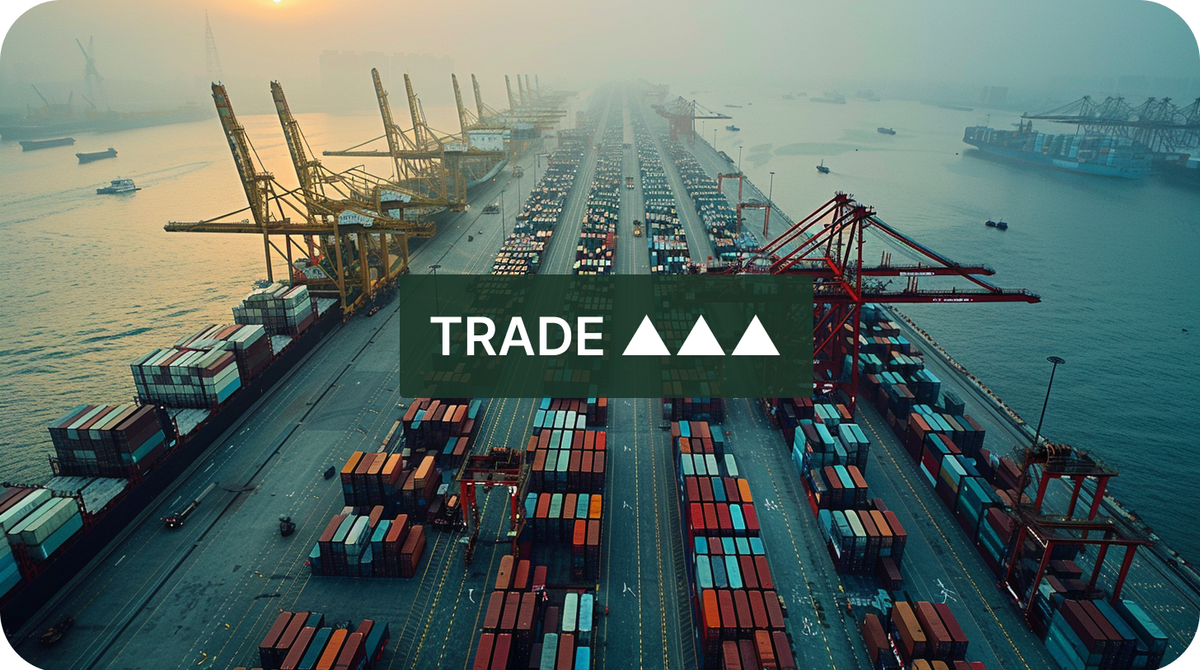
A three-year safeguard measure caps China's 2026 beef imports at 2.7 million metric tons with a 55% above-quota tariff, structurally disrupting the world's largest beef import market.
China's safeguard measure is not a temporary trade irritant — it is a three-year policy instrument explicitly designed to buy time for China's domestic beef industry to rebuild. The quota levels are set below 2025 actual import volumes for every major supplier, meaning displacement is immediate and certain. With Brazil facing a potential US$3 billion revenue gap and Australia similarly constrained, the redirection of significant volumes into alternative markets will reprice imported beef across the Middle East, Southeast Asia, and the United States through at least 2028. For any exporter or export agency operating in markets where Brazilian or Australian beef competes, this is the most consequential beef trade development since China opened its market to Brazilian product.
SIGNAL
China's Ministry of Commerce announced a three-year safeguard measure on beef imports effective January 1, 2026, setting a total annual import quota of 2.688 million metric tons across all covered supplier countries. Imports above the quota level face an additional 55% tariff — applied on top of existing duties, making above-quota volumes effectively prohibitive. The measure follows a year-long investigation, extended twice, into whether rising beef imports had seriously damaged China's domestic beef industry. The conclusion was affirmative. Quota allocations have been set below the import volumes recorded by major suppliers in 2025: Brazil's allocation stands at 1.106 million metric tons against estimated 2025 shipments of approximately 1.6 million metric tons; Australia's allocation of 205,000 metric tons sits well below its 2025 run-rate of approximately 260,000 metric tons. The quota is structured to increase by 2% annually in 2027 and 2028. China's domestic beef production is simultaneously declining in 2026 due to a reduced breeding cow inventory and persistently low calving efficiency — meaning the quota does not reflect a fully supplied domestic market, but rather a policy decision to accept tighter supply in order to support domestic price recovery.
EVIDENCE
- China set a 2026 beef import quota of 2.688 million metric tons, with a 55% above-quota tariff making excess volumes effectively non-viable commercially (Reuters, December 2025)
- Brazil's 2026 allocation of 1.106 million metric tons is approximately 500,000 metric tons below its 2025 export run-rate to China — a potential revenue impact of up to US$3 billion (Abrafrigo)
- Australia's 2026 quota allocation of 205,000 metric tons is below the approximately 260,000 metric tons it shipped to China in 2025 (Steiner Consulting)
- Argentina, on track to ship over 560,000 metric tons to China in 2025, receives a 511,000 metric ton quota allocation for 2026
- China's domestic beef production is forecast to decline in 2026 due to a smaller breeding cow inventory and low calving efficiency — herd rebuilding has been slow despite government support and seven consecutive months of profitable cattle farming (USDA FAS GAIN)
- China's domestic beef consumption remains structurally weak: economic slowdown, declining consumer confidence, and falling pork prices are all suppressing demand for beef — the most expensive animal protein in the Chinese market (Expana Markets, January 2026)
- Brazilian beef exports hit a January 2026 record of US$1.404 billion and 264,000 metric tons — up 40% in value year-on-year — confirming the scale of volumes that now need to be redirected (ABIEC / MDIC, February 2026)
IMPLICATION
The immediate consequence is a global repricing of imported beef as Brazilian and Australian volumes — previously absorbed by China — seek alternative buyers. The most exposed alternative markets are the United States, the Middle East, and Southeast Asia. For the US specifically, the influx of lower-priced Brazilian and Australian beef into the import market is bearish for imported beef trim prices and will widen the spread between imported and domestic product — relevant context for any buyer or seller of 90CL beef trim in 2026. For export agencies operating in markets where Brazilian product now competes more aggressively, the strategic priority is market differentiation: provenance, quality credentials, and supply reliability are the defensible positions when competing against a supplier with a structural cost and currency advantage. The longer-term signal is China's intent. The quota structure — set below current import levels, increasing only 2% annually — signals a deliberate policy to compress import dependence and rebuild domestic beef supply capacity. That trajectory will shape global beef trade architecture through at least 2028, and potentially beyond if domestic herd rebuilding underperforms government targets.
Sources: Reuters (December 2025) · USDA FAS GAIN China Livestock and Products Annual · Steiner Consulting / American Angus Association (January 2026) · ABIEC / MDIC (February 2026) · Abrafrigo · Expana Markets (January 2026)
China quota caps → Brazilian/Australian export displacement (~500,000+ MT annually) → volume redirection to US, Middle East, Southeast Asia → imported beef price compression in alternative markets → margin pressure on domestic producers and competing exporters in those regions.
- Brazilian packers (JBS, Marfrig, Minerva) face immediate revenue compression of up to US$3 billion annually, forcing aggressive price competition in secondary markets to move displaced volume.
- US domestic beef producers and feedlots face margin erosion as Brazilian lean trimmings and Australian grass-fed product enter at discounted prices, particularly in ground beef and foodservice channels.
- Middle East importers (UAE, Saudi Arabia, Egypt) gain negotiating leverage as Brazilian suppliers compete for shelf space, but food manufacturers and QSR operators in those markets benefit from lower input costs.
- Winners: US meat importers, Middle East food processors, and Southeast Asian retail chains gain access to competitively priced Brazilian and Australian beef; Chinese domestic cattle farmers receive temporary margin protection.
- Losers: Brazilian export-dependent packers face revenue destruction and potential facility rationalization; Australian exporters lose premium China positioning; US cattle producers confront intensified import competition with limited policy recourse.